


Manganese is an essential trace element for dairy cows, playing a crucial role in various physiological processes. Manganese sulphate feed grade is a common source of manganese supplementation in dairy cow diets. In this blog, we will explore the impact of manganese sulphate feed grade on the milk production of dairy cows. As a reliable manganese sulphate feed grade supplier, we are committed to providing high - quality products to support the dairy industry.
1. Physiological Functions of Manganese in Dairy Cows
Manganese is involved in many enzymatic reactions within the dairy cow's body. It is a co - factor for enzymes such as arginase, pyruvate carboxylase, and manganese superoxide dismutase (MnSOD). Arginase is important for urea synthesis, which helps in the detoxification of ammonia produced during protein metabolism. Pyruvate carboxylase participates in gluconeogenesis, the process by which the body synthesizes glucose from non - carbohydrate sources. This is particularly important for dairy cows, as they require a large amount of glucose for milk synthesis.
MnSOD is a key antioxidant enzyme that protects cells from oxidative damage caused by free radicals. Dairy cows experience significant physiological stress during lactation, which can lead to an increased production of free radicals. Adequate manganese levels help maintain the activity of MnSOD, thus protecting cells in the udder and other tissues from oxidative stress. This is crucial for the proper functioning of the mammary gland and overall health of the cow, which in turn can impact milk production.
2. Impact of Manganese Sulphate Feed Grade on Milk Yield
Several studies have investigated the relationship between manganese supplementation and milk yield in dairy cows. When dairy cows are fed diets deficient in manganese, their milk production can be negatively affected. A deficiency in manganese can lead to impaired enzyme function, which disrupts normal metabolic processes. As a result, the cow's ability to efficiently convert nutrients into milk is reduced.
On the other hand, when cows are supplemented with an appropriate amount of manganese sulphate feed grade, milk yield can increase. The improved enzymatic activity due to sufficient manganese levels enhances nutrient utilization. For example, enhanced gluconeogenesis through the action of pyruvate carboxylase ensures an adequate supply of glucose for milk synthesis. Also, the antioxidant protection provided by MnSOD helps maintain the health of the mammary gland, reducing the incidence of mastitis and other udder - related problems that can lower milk production.
However, it's important to note that there is an optimal range for manganese supplementation. Excessive manganese intake can also have negative effects. High levels of manganese can interfere with the absorption and utilization of other trace minerals such as iron, copper, and zinc. This can disrupt the overall mineral balance in the cow's body and potentially lead to reduced milk production and other health issues.
3. Impact on Milk Quality
In addition to milk yield, manganese sulphate feed grade can also impact milk quality. One of the key aspects of milk quality is its composition. Milk contains various components such as protein, fat, lactose, and minerals. Adequate manganese levels can influence the synthesis and secretion of these components.
For example, manganese is involved in the synthesis of glycoproteins in the mammary gland. These glycoproteins are important for the proper structure and function of milk proteins. A deficiency in manganese may lead to a decrease in the quality and quantity of milk proteins. Regarding milk fat, manganese is also involved in the metabolism of fatty acids. The proper functioning of enzymes related to fatty acid synthesis and oxidation, which are influenced by manganese, can affect the fat content and fatty acid profile of milk.
Moreover, manganese supplementation can contribute to the overall health of the dairy cow. A healthy cow is more likely to produce high - quality milk. The antioxidant protection provided by manganese helps prevent oxidative damage to milk components during storage and processing, thus maintaining the freshness and quality of the milk.
4. Interaction with Other Feed - Grade Minerals
Manganese does not act alone in the cow's body. It interacts with other trace minerals in the diet, such as Zinc Sulphate Heptahydrate Feed Grade, Ferrous Sulphate Feed Grade, and Copper Sulphate Feed Grade. These mineral interactions can have a significant impact on the overall health and milk production of dairy cows.
Zinc is involved in many enzymatic processes, including those related to immune function and tissue repair. Adequate zinc levels are important for maintaining the health of the udder and reducing the risk of mastitis. However, excessive manganese can interfere with zinc absorption. A balanced diet that provides appropriate amounts of both manganese and zinc is necessary to ensure optimal milk production and cow health.
Iron is essential for oxygen transport and energy metabolism in the cow's body. Manganese can affect iron absorption and utilization. An imbalance between manganese and iron can lead to iron deficiency or other metabolic disorders, which can ultimately impact milk production.
Copper is also involved in many important physiological processes, such as the synthesis of connective tissues and the activation of antioxidant enzymes. Manganese can interact with copper in the gastro - intestinal tract, affecting its absorption. Maintaining the right ratio of manganese to copper in the diet is crucial for the proper functioning of the cow's body.
5. Choosing the Right Manganese Sulphate Feed Grade
As a manganese sulphate feed grade supplier, we understand the importance of providing a high - quality product. When choosing a manganese sulphate feed grade for dairy cows, several factors should be considered.
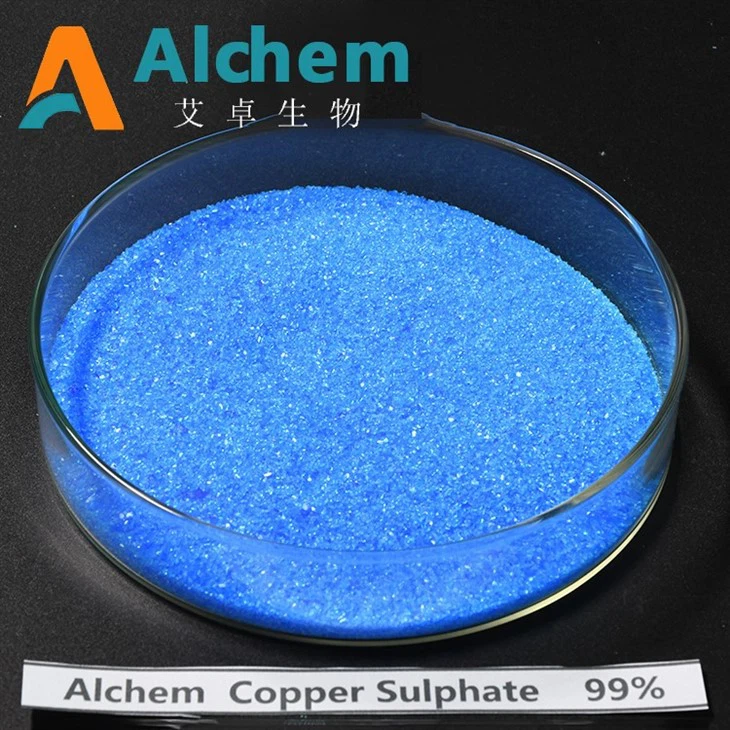

First, the purity of the product is crucial. A high - purity manganese sulphate ensures that there are no harmful contaminants that could potentially harm the cows or affect milk quality. Second, the bioavailability of manganese in the product is important. A product with high bioavailability allows the cows to efficiently absorb and utilize the manganese.
Our company has strict quality control measures in place to ensure that our manganese sulphate feed grade meets the highest standards. We use advanced production techniques to enhance the purity and bioavailability of our product.
6. Conclusion and Call to Action
In conclusion, manganese sulphate feed grade has a significant impact on the milk production and quality of dairy cows. Adequate manganese supplementation can enhance milk yield, improve milk quality, and support the overall health of the cows. However, it is essential to maintain a proper balance of manganese with other trace minerals in the diet.
If you are a dairy farmer or involved in the dairy industry and are looking for a reliable source of manganese sulphate feed grade, we are here to help. Our high - quality product can provide the necessary manganese for your dairy cows, ensuring optimal milk production and cow health. Contact us to discuss your specific needs and start a procurement negotiation. We look forward to working with you to support the success of your dairy operation.
References
- Spears, J. W. (2003). Mineral requirements of dairy cattle. Journal of Dairy Science, 86(12 Suppl), E115 - E129.
- Underwood, E. J., & Suttle, N. F. (1999). The Mineral Nutrition of Livestock. CABI Publishing.
- Kincaid, R. L. (2000). Mineral nutrition of the transition dairy cow. Journal of Dairy Science, 83(11), 2574 - 2590.